Making memories: key takeaways from VAC 2026
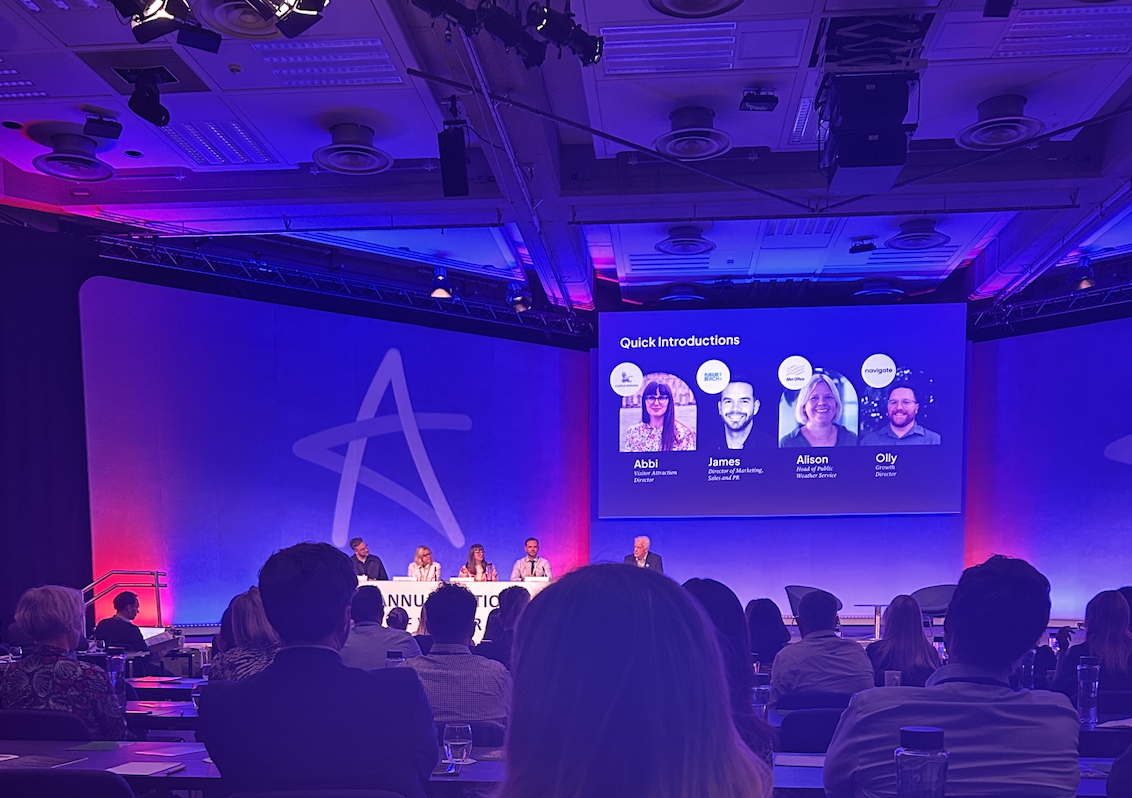
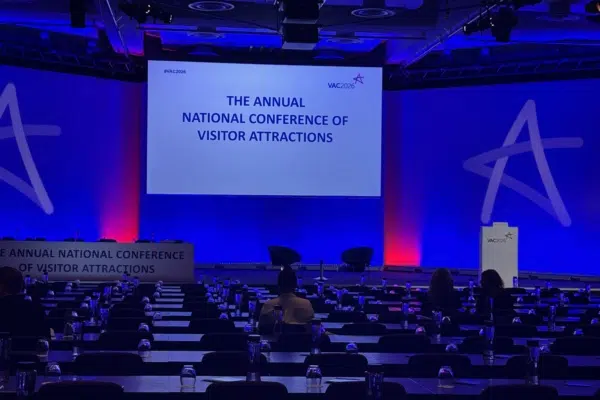
On Friday 9 October, Leeza, our Marketing Executive, travelled to the QEII Centre in London for the Visitor Attraction Conference (VAC) 2026.
The event has run for more than 20 years and brings together people from parks and gardens, heritage sites, theme parks, museums, zoos and science centres. Here’s what stood out.
The weather is changing the business model
Bernard Donoghue, from the Association of Leading Visitor Attractions (AVLA), opened with a clear warning. Heatwaves are the new norm and high winds, flooding and heavy rain are becoming more common too. If an attraction relies on May to August for half its income, that model is at risk. Spring and Halloween are the periods to grow.
Ipsos backed this up with research on what reassures visitors in hot weather. Air conditioning came first, followed by shade, free water refills, indoor activities and flexible tickets that let people rebook.
Joy for money
Bernard’s biggest point was about what families want. Value still matters, but families now look for joy for their money. They want special times with special people in special places, and they want experiences that are hands-on and immersive.
The idea of a ‘family’ has changed too. A family ticket built around two adults and two children no longer fits everyone. Grandparents visiting with their children and grandchildren need their own options.
Timing matters as well. Research shows families plan visits up to six weeks ahead but decide only 24 hours before. That makes well-timed nudges a key part of any marketing plan.
It’s also crucial to give families a reason the visit can’t wait. A seasonal event, a limited exhibition or behind-the-scenes access for a set period works best when it has a clear end date, shared plainly and often.
New audiences and new income
Baker Richards pointed to a large untapped new audience: 7.5 million adults aged 35 to 54 without children. They respond to premium, expert-led experiences such as half-day courses.
Nik Wyness from The Tank Museum showed how far digital reach can go. Its YouTube channel, online shop, sponsorships and Patreon scheme now bring in a significant proportion of its turnover from people who never visit in person. Nik’s advice was simple: make niche content that is original, consistent and generous with expertise.
Bletchley Park reminded everyone to know their core purpose and tell real stories well. Leeds Castle and St Michael’s Mount shared how they use AI, from a virtual Queen Eleanor of Castile who answers visitors’ questions to better forecasting.
Why it felt familiar
Joy for money is how we approached our work with Markshall Estate, a visitor attraction and conservation charity in Essex. Our seasonal campaigns used specific, sensory language that helped people picture their day before they arrived. We also showcased reasons to stay longer and come back.
The results back it up. 23% growth in visitor numbers in year 1, 1.25 million combined views across Facebook and Instagram this year to date, up over 60% year on year, nearly 300 landing page visits from a single two-week Meta campaign and 2,700 new Instagram followers gained under This is Fever’s management.
We’ve also built a data model and AI analysis tool that brings everything together: till data, weather, school holidays, marketing campaigns, social media, local events and news, plus Google Analytics, Search Console and Semrush data. The tool analyses each day against previous years, using pattern analysis and statistical modelling to spot what’s actually moving the numbers. We pull this all into one report, so clients can make decisions based on evidence, rather than instinct.
Hearing the sector talk about joy for money confirmed what we’ve seen at Markshall. People remember how a place made them feel and that’s what we try to capture in every campaign.
If you run an attraction and want to talk about turning visits into memories, get in touch.